
Precision Automotive Plastic Parts Manufacturing for Global OEMs
An automotive plastic parts manufacturer is a specialized facility that designs and produces durable, lightweight components like dashboards, bumpers, and interior trim using advanced injection molding. By precisely shaping high-performance polymers, this process creates parts that are both strong and resistant to corrosion, significantly reducing a vehicle’s overall weight. The core benefit for car owners is improved fuel efficiency and enhanced design flexibility without sacrificing safety or longevity. Simply choose a trusted manufacturer to supply custom-molded pieces that fit seamlessly into your vehicle’s assembly or repair needs.
Engineering Precision: How Modern Molders Shape Vehicle Components
Engineering precision in modern molding relies on advanced computer-aided design and multi-axis machining to create steel tooling with tolerances under 10 microns. An automotive plastic parts manufacturer uses this tooling in high-pressure injection molding to form complex geometries like intake manifolds and sensor housings. Precision cooling channels within the mold ensure uniform shrinkage, preventing warpage in structural components. How does a molder achieve repeatable micron-level accuracy? By employing closed-loop process control that adjusts injection speed and pressure in real-time, compensating for material viscosity variations. This ensures each part, from dash panels to fluid reservoirs, mates perfectly with mating assemblies without post-machining.
From Granules to Grilles: The Injection Molding Process Deep Dive
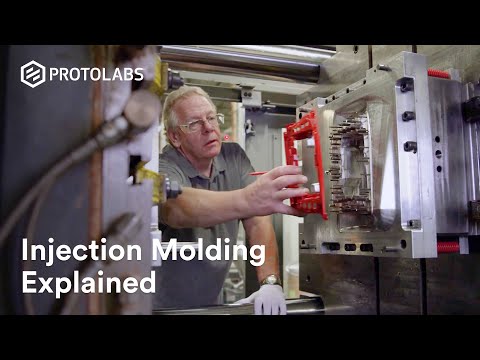
The journey from raw granules to finished grilles begins with precisely dried polymer pellets fed into a heated barrel. A reciprocating screw melts and injects the viscous material into a hardened steel mold under high pressure, replicating intricate textures like a vehicle’s front fascia. Controlled cooling and ejection cycles produce dimensionally stable components, with process parameters fine-tuned to prevent warping in large, thin-walled parts such as radiator grilles. Each shot demands exacting temperature and hold-time adjustments to achieve uniform fill without sink marks.
Granules are melted, injected under pressure into precision-machined molds, cooled, and ejected—producing durable, detailed grilles and vehicle components through a tightly controlled thermal and mechanical sequence.
Multi-Shot Molding Techniques for Complex Assembly Reduction
Multi-shot molding directly eliminates secondary assembly by sequentially injecting different materials—such as rigid ABS for structure and a soft TPE for sealing lips—into a single tool. A modern automotive molder uses this process to create a complex component, like an integrated bezel with a living hinge and gasket, in one cycle. The sequence requires precision: first, a rigid substrate is formed; second, a flexible overmold bonds chemically to specific zones; third, a third material like a lubricious nylon is shot for a bushing. This integrated component architecture reduces multiple parts to one, slashing inventory and manual labor.
- Program a rotary or index plate tool to align pre-formed substrate cavities with subsequent injection stations.
- Inject the second material (e.g., TPU) at a controlled melt temperature to ensure chemical weld without degrading the first shot.
- Cool the composite part uniformly in a dedicated station to minimize warpage between dissimilar polymers.
Gas-Assist and Structural Foam Molding for Lightweight Strength
Gas-assist molding pumps nitrogen into the mold after plastic injection, pushing the material into the tool’s edges to form hollow channels. This cuts weight without sacrificing rigidity, ideal for structural brackets and fluid reservoirs. Structural foam molding blends a chemical blowing agent with the polymer, creating a cellular core inside thicker parts like instrument-panel beams or door modules. Both techniques deliver lightweight strength for automotive plastic parts by removing solid mass where it’s not needed. How does structural foam compare to gas-assist for large panels? Structural foam better handles thicker wall sections (over 4mm) with a uniform cellular core, while gas-assist works best for long, thin-walled components needing controlled internal voids.
Material Selection Strategies for Durability and Performance
For an automotive plastic parts manufacturer, material selection strategies for durability and performance begin with meticulous polymer characterization against ASTM D638 tensile and ISO 179 impact standards to predict real-world stress. We prioritize glass-filled nylons for under-hood components due to their heat deflection resistance, while selecting impact-modified polypropylene for interior trim to withstand cyclic loading. Fiber reinforcement and UV-stabilizer masterbatches are strategically integrated to combat creep and surface degradation. Each grade is validated through finite element analysis matching the part’s specific thermal and mechanical load spectrum, ensuring the material’s viscoelastic properties align with long-term fatigue life without sacrificing design freedom.
High-Heat Thermoplastics for Under-the-Hood Applications
For demanding under-the-hood environments, a manufacturer selects high-heat thermoplastics to replace metal in components like intake manifolds and turbo ducts. These materials, such as PPS and PPA, maintain structural rigidity above 200°C while resisting aggressive oils and coolants. The choice hinges on continuous-use temperature ratings versus peak spikes, ensuring parts avoid creep during engine cycling. Thin-wall molding reduces weight, yet every grade must pass rigorous thermal aging tests to guarantee seal integrity over the vehicle’s lifespan. This precision eliminates failure risks in confined, heat-soaked engine bays.
UV-Stable Polymers for Exterior Trim and Lighting Housings
For exterior trim and lighting housings, selecting UV-stable polymers for exterior trim and lighting housings is non-negotiable to prevent catastrophic surface degradation, chalking, and yellowing under continuous sun exposure. These specialized grades, such as ASA, PMMA, and impact-modified PBT, maintain deep color retention and gloss over years of outdoor service without cracking. They also withstand thermal cycling and road salts, ensuring lighting housings remain optically clear and trim panels stay structurally intact.
- ASA polymers excel in weatherability without paint, reducing production costs and VOC emissions.
- PMMA provides exceptional clarity and UV resistance for lighting lenses and reflectors.
- Impact-modified PBT offers dimensional stability for complex housing geometries under heat and UV load.
Recycled and Bio-Based Resins Meeting Sustainability Targets
To meet sustainability targets, manufacturers can integrate recycled and bio-based resins without sacrificing part durability. Performance-grade post-consumer polypropylene now achieves OEM impact standards for interior trim. The selection process follows a clear sequence: first, request material datasheets from suppliers specifying recycled content percentage and mechanical property retention; second, verify long-term UV and heat aging data; third, conduct real-world cycle testing in the final assembly. Bio-based nylon from castor oil offers remarkable chemical resistance for under-hood clips. Closed-loop recovery of production scrap directly into new bumper brackets further closes the sustainability loop.
Interior Systems: Blending Aesthetics with Tactile Function
An automotive plastic parts manufacturer masters interior systems by engineering surfaces that merge visual allure with tactile function. Soft-touch coatings and precision-grain textures transform hard plastics into warm, inviting touchpoints, while ergonomic contours on door handles and center consoles ensure a confident grip. Strategic use of suede-like or embossed finishes reduces glare and noise, enhancing the sensory experience without sacrificing durability. Every grain pattern, from fine leather to satin chrome, is molded into polymer compounds that resist wear and fingerprints. This harmony of form and feel turns daily cabin interactions into intuitive, premium moments, proving that a well-crafted interior part is as much about touch as it is about sight.
Soft-Touch Coatings and Grain Patterns for Premium Feel
Soft-touch coatings applied by an automotive plastic parts manufacturer create a velvety, non-slip tactile experience on interior surfaces like dashboards and door panels. These polyurethane or silicone-based layers dampen noise and resist fingerprints. Grain patterns, such as fine leather or geometric textures, are embossed directly onto the plastic substrate using precision laser-engraved molds. The grain depth and angle are calibrated to enhance the tactile perception of premium surface tactility without compromising coating adhesion. Combining a 20-micron soft-touch topcoat with a 0.3mm grain pattern produces a compliant yet durable finish that withstands daily contact.
Soft-touch coatings and grain patterns transform standard plastic into a high-end, comfortable interface by merging a silky topcoat with precisely engineered surface textures.
Structural Dashboard Carriers Minimizing Weight and Noise
Structural dashboard carriers from a modern automotive plastic parts manufacturer do more than just support the instrument cluster; they are engineered to fight unwanted noise and heft. By using advanced injection-molded composites, these carriers replace heavy metal frameworks, directly reducing a vehicle’s overall weight for better efficiency. Their integrated geometry and material density also dampen vibrations, making the cabin quieter. Lightweight noise-reducing structural carriers achieve this through ribbed designs and strategic use of viscoelastic materials that absorb sound energy without adding bulk.
How do these carriers minimize weight while still reducing noise? They use plastic composites with a high strength-to-weight ratio and incorporate tuned ribs that stiffen the structure, stopping vibrations from traveling into the cabin.
Integrated Airflow Ducting in Single-Mold Components
Integrated airflow ducting within single-mold components eliminates separate tubes and fasteners, streamlining HVAC pathways directly behind instrument panels. This fusion creates seamless channels that guide conditioned air without turbulence or pressure drops, while the part’s surface remains sculpted for tactile elegance. By merging duct geometry into one mold, manufacturers achieve sealed, leak-proof ventilation that reduces assembly complexity and weight. The result is a cleaner interior that delivers consistent airflow to occupants, marrying thermal comfort with a cohesive aesthetic that resists rattles and gaps over time.
Integrated airflow ducting in single-mold components merges HVAC channels directly into interior panels, providing sealed, efficient ventilation that enhances both cabin comfort and visual harmony.
Exterior Innovations: Reshaping Aerodynamics and Protection
For an automotive plastic parts manufacturer, exterior innovations focus on active grille shutters molded from lightweight polymers to reduce drag. These parts dynamically adjust airflow, cutting fuel consumption. Impact-absorbing bumper fascias and aerodynamic side skirts, made from durable thermoplastics, shield the vehicle while smoothing air travel. Strategic use of high-gloss ABS and PC/ABS blends allows for seamless integration of spoilers and diffusers, which channel air to cut lift. This reshaping of exteriors ensures both better range and everyday protection against road debris and minor impacts, all while keeping the car’s body visually sleek.
Class-A Surface Finishes for Bumper Fascia and Body Panels
For bumper fascia and body panels, achieving flawless Class-A surface finishes demands exacting control over injection molding and material flow. The manufacturer eliminates sink marks and knit lines on these high-visibility panels, ensuring paint adheres without orange peel or waviness. Specialized polypropylene or TPO blends are polished in mirror-finish tooling to create a seamless gloss that mirrors painted metal. This process resists thermal expansion distortions, maintaining crisp reflection across the bumper’s sweeping curves. The result is a durable, showroom-ready surface that merges aerodynamic contours with protection, offering an invisible yet essential shield against environmental wear.
Laser-Welded Sensor Mounts for Advanced Driver Assistance Systems
For exterior innovations, a plastic parts manufacturer delivers laser-welded sensor mounts for ADAS that eliminate mechanical fasteners and adhesives, ensuring zero-deformation alignment of cameras and radar units. The process fuses dissimilar thermoplastics at the molecular level, creating hermetic seals against moisture and vibration. To achieve optimal sensor functionality, manufacturers follow a precise sequence:
- Laser beam targets a transparent upper layer to bond with a lower absorbing plastic, preventing thermal distortion.
- Real-time optics control maintains ±0.05 mm placement accuracy for multi-sensor arrays.
- Cooling cycles solidify joints without introducing stress, preserving optical clarity for LIDAR and night-vision systems.
Tamper-Resistant Clips and Fasteners for Assembly Line Efficiency
Tamper-resistant clips and fasteners cut assembly line delays by locking panels without risk of accidental dislodging during transport. Their one-way installation design ensures parts stay seated, reducing rework from loose fittings. Snap-fit tamper-proof fasteners streamline door trim and bumper attachment, eliminating the need for secondary torque checks. These clips also simplify repairs by allowing service tools to release them without damaging surrounding plastic. How do tamper-resistant fasteners improve line speed? They replace multi-step bolting with instant, audible clicks that verify secure engagement, slashing cycle time per station.
Quality Assurance Protocols in High-Volume Production
In high-volume production for an automotive plastic parts manufacturer, Quality Assurance Protocols center on real-time statistical process control (SPC) to monitor critical parameters like melt temperature, injection pressure, and cycle time. Every molding machine integrates automated gauging stations that measure dimensional tolerances on every nth part, with data fed directly to a central system to flag drift before rejects occur.
First-article inspection (FAI) at shift start and after any tooling change is non-negotiable, ensuring cavity-specific consistency across multi-cavity molds.
Periodic destructive testing—such as tensile and impact tests on sampled parts—verifies material integrity, while vision systems scan for surface defects like splay or flash. All findings are logged to a traceable batch record, enabling immediate corrective actions if any measurement falls outside control limits.
Real-Time Process Monitoring with IoT-Integrated Machinery
In high-volume automotive plastic parts production, IoT-integrated machinery enables real-time process monitoring by continuously streaming injection molding parameters—temperature, pressure, and cycle time—directly to a centralized dashboard. This immediate data capture allows operators to detect deviations, such as viscosity shifts or mold fouling, within milliseconds, triggering automatic adjustments before defective parts exit the mold. By correlating sensor feeds with part weight and dimensional tolerances, the system validates that every cycle adheres to specification, eliminating reliance on post-production sampling. This closed-loop control ensures consistent material fill and cooling profiles, directly reducing scrap rates while maintaining throughput for critical components like bumpers or dashboards.
Dimensional Validation via 3D Scanning and CMM Tooling
Dimensional validation in high-volume production of automotive plastic parts relies on both 3D scanning and CMM tooling for precision. CMM (Coordinate Measuring Machine) tooling provides tactile, single-point measurements ideal for verifying critical tight-tolerance features like mating surfaces and hole positions on each part. 3D scanning captures full-field point clouds to rapidly compare entire freeform geometries against CAD models, detecting warpage, sink marks, or slight shrinkage across an entire production batch. A complementary process uses CMM for pass/fail judgment on key dimensions, while 3D scanning identifies subtle deviations that could cause assembly fit issues or performance faults in final vehicle systems.
| Aspect | 3D Scanning | CMM Tooling |
|---|---|---|
| Coverage | Full part surface | Discrete points & features |
| Speed | Rapid (seconds per part) | Slower (minutes per part) |
| Best for | Warpage & form analysis | GD&T & critical callouts |
Impact and Thermal Cycling Tests Meeting OEM Specifications
Impact tests validate that plastic parts absorb energy without brittle fracture, directly meeting OEM crush and puncture thresholds. Thermal cycling, between -40°C and 125°C, exposes delamination or warpage before production ramp. These protocols use OEM-specified pass/fail criteria for crack length and dimensional shift. A chamber replicates 500+ vehicle lifetime cycles, ensuring airbag housings or bumper brackets survive arctic starts and desert heat. Every batch undergoes random sampling; any failure triggers immediate tooling adjustment. This eliminates field failures, securing tier-one contracts through provable durability.
Tooling Expertise: The Backbone of Repeatable Output
For an automotive plastic parts manufacturer, tooling expertise ensures every production cycle delivers identical dimensional tolerances across thousands of parts. Precision mold design compensates for material shrinkage and cooling variables, eliminating deviations in critical components like intake manifolds or trim clips. Without deep knowledge of gate placement, cooling channel layout, and steel selection, even a minor tool flaw causes warped or brittle outputs. This expertise directly reduces scrap rates and guarantees that subsequent assembly operations receive parts that fit without rework. A manufacturer that masters repeatable output through tooling earns customer trust by delivering consistent, defect-free plastic components run after run.
Multi-Cavity Molds Balancing Part Count and Cycle Time
For an automotive plastic parts manufacturer, multi-cavity molds directly trade part count per cycle against cycle time efficiency. Increasing cavities reduces per-piece cycle overhead but risks uneven filling or cooling, which extends overall cycle time and degrades part quality. Precision gate balancing and thermal simulation ensure each cavity fills and cools identically, preventing the slowest cavity from governing the cycle. This creates repeatable cavity-to-cavity consistency at a target cycle, maximizing throughput without sacrificing dimensional stability across high-volume runs.
How does cavity count affect cooling time in a multi-cavity mold? Higher cavity density concentrates heat, slowing heat dissipation; molders compensate with optimized conformal cooling channels to maintain uniform thermal extraction across all cavities, preventing cycle time elongation from hot spots.
Conformal Cooling Channels Reducing Warpage and Scrap
In automotive molding, conformal cooling channels reducing warpage and scrap directly address the uneven thermal contraction that distorts large, complex parts like bumpers and dashboards. By following the part’s geometry, these channels extract heat uniformly, preventing hot spots that cause differential shrinkage. Even a 2°C variance across a mold half can produce reject components. This precise thermal control ensures dimensional stability, eliminating post-mold bending and reducing material waste to near-zero for production runs.
- They eliminate localized stress points that pull thin-wall sections out of spec.
- Uniform cooling shortens cycle times while keeping parts within tight tolerances.
- Scrap from warpage drops dramatically, often below 1%, lowering per-unit cost.
Rapid Prototyping with 3D-Printed Inserts for Low-Volume Runs
For low-volume runs, rapid prototyping with 3D-printed inserts bypasses the cost and lead time of full hard tooling. An automotive plastic parts manufacturer can 3D-print an insert from high-temperature resin or sintered nylon, then mount it directly into a standard mold frame. This approach validates form, fit, and material flow under production pressures without committing to steel. The insert tolerates hundreds of cycles, allowing adjustments before final tooling. Q: When does a 3D-printed insert fail for low-volume runs? It typically fails when cavity pressure exceeds 100 bar or cycle count surpasses 1,000 shots, as the polymer insert begins to deform.
Supply Chain Agility for Just-in-Time Delivery Demands
For an automotive plastic parts manufacturer, supply chain agility means your raw material flow is as fast as your injection molding cycles. You need local resin suppliers who can deliver same-day if a rush order for bumper clips or interior trim pieces comes in. Instead of holding huge finished goods inventory, you coordinate real-time production schedules with assembly plants. This lets you mold parts exactly when the car line needs them, slashing warehouse costs. A responsive logistics network—using dedicated trucks for milk runs—ensures that even a sudden spike in door panel orders doesn’t stall the customer’s assembly. Your flexibility in switching mold tooling and sourcing backup materials on the fly is what keeps just-in-time delivery reliable.
Regional Warehousing Strategies for North American Assembly Plants

For a North American assembly plant supplying automotive OEMs, a regional warehousing strategy places storage hubs within a 50-mile radius of the target factory. This geographically dispersed approach reduces over-the-road transit variability, ensuring that sequenced plastic parts—like dashboards or bumpers—arrive on the plant floor exactly when needed. The strategy uses cross-docking facilities to consolidate shipments from multiple molding sites, bypassing central distribution centers. Consolidated just-in-time staging allows trailers to shuttle parts hourly, directly supporting production line replenishment without holding large on-site inventory. Q: How does a regional hub handle a last-minute part shortage? A: The hub maintains a three-hour buffer stock of high-runner components, allowing it to reprioritize a dedicated shuttle run to the assembly line within 90 minutes.

Kanban Systems and Safety Stock Management for Fluctuating Orders
For an automotive plastic parts manufacturer facing erratic OEM schedules, dynamic Kanban systems paired with adaptive safety stock directly absorb demand shocks without inflating inventory. The Kanban triggers are recalibrated weekly based on real consumption data, not forecasts, ensuring replenishment cycles match the fluctuating orders. Safety stock levels become a variable calculation—set to cover the highest observed lead-time variance rather than a fixed percentage. This prevents both stockouts of critical trim components and overstock of slow-movers. A buffer sizing algorithm tied to Kanban signals automatically adjusts min/max thresholds, allowing the production line to pivot instantly between high and low volume runs.
- Integrate Kanban card counts with live ERP data to adjust reorder points for each plastic part’s demand volatility.
- Set safety stock as a rolling average of peak daily orders over the last 30 days, not annual forecasts.
- Merge physical Kanban bins with digital triggers for real-time replenishment of injection-molded components.
Cross-Border Logistics for Mexico and Canada Trade Corridors

For an automotive plastic parts manufacturer, cross-border logistics for Mexico and Canada trade corridors directly determines your ability to synchronize just-in-time deliveries. Optimizing these routes requires pre-cleared customs programs and dedicated transborder inventory staging, ensuring high-volume plastic components cross without inspection delays. You must synchronize production schedules with real-time border crossing data, using shared tracking networks to reroute shipments instantly when bottlenecks occur. This eliminates buffer stock and maintains seamless line-side delivery from assembly plants in both nations. Direct lane utilization and synchronized cross-docking facilities shorten transit variability, making your supply chain reliably responsive to immediate production needs.
Navigating Industry Certifications and Environmental Regulations
For an automotive plastic parts manufacturer, navigating certifications means proactively aligning with IATF 16949 to ensure quality system compliance, while simultaneously managing environmental regulations like REACH and RoHS for material restrictions. A practical approach is to embed compliance checks into your material sourcing workflows and mold validation processes. Q: How can a small manufacturer afford both certification upkeep and environmental reporting? A: By digitizing compliance data into a single system, you automate reporting for regulations and reduce certification audit preparation time, turning a cost center into a competitive advantage. This dual strategy protects your supply chain access and avoids surface rejection risks from non-compliant materials.
IATF 16949 Compliance Across All Production Stages
For automotive plastic parts manufacturers, IATF 16949 compliance across all production stages means every step, from injection molding to final assembly, follows strict defect-prevention protocols. You’ll implement layered process audits and maintain real-time traceability for every batch of raw material. Q: How does IATF 16949 affect my daily production? A: It requires you to document every process adjustment—like mold temperature changes—so quality issues are caught before parts leave your line, not after.
Zero-Landfill Manufacturing and Closed-Loop Water Systems
For an automotive plastic parts manufacturer, achieving zero-landfill manufacturing and closed-loop water systems directly reduces waste disposal costs and water consumption. Zero-landfill means all plastic scrap, trim, and rejected parts are internally reground and remolded, with non-recyclable materials sent to waste-to-energy facilities. Closed-loop water systems treat and recirculate cooling and rinsing water, eliminating discharge and minimizing freshwater intake. Q: How do these systems affect production quality? A: They do not compromise part quality; closed-loop filtration removes particulates, while zero-landfill protocols rely on strict sorting to prevent contamination in regrind.
End-of-Life Recycling Programs for Post-Consumer Vehicle Parts
For an automotive plastic parts manufacturer, post-consumer vehicle part recycling programs convert end-of-life bumpers and interior trim into closed-loop feedstocks. You must design parts with embedded identification codes for automated sorting, ensuring your supplied materials re-enter production as high-grade regrind. A single contaminated batch of recycled PP can shut down an entire injection molding line, making reverse logistics partnerships with dismantlers non-negotiable. Q: How do you guarantee recycled material meets OEM specs? A: By requiring certified wash lines and running melt-flow-index tests on every recycled lot before it touches your press.
Future Trends Driving Polymer Integration in Electric Vehicles
For an automotive plastic parts manufacturer, polymer integration in EVs is shifting toward high-performance thermoplastics that handle thermal management directly. Parts manufacturers must move from aesthetic trim to structural battery enclosures using flame-retardant polyamides, which replace heavy metal cooling plates. A key shift is the use of
in-mold electronic integration, allowing sensors and circuits to be embedded directly into plastic panels during molding
, slashing assembly steps. You’ll also see more cell-to-pack designs relying on tough, dielectric polymers for busbar holders and crash absorbers. Ignoring these trends means losing relevance to EV makers demanding lightweighting without sacrificing thermal or electrical safety.
Battery Enclosure Components Replacing Metal with Flame-Retardant Plastics
Switching from metal to flame-retardant plastics for battery enclosures demands precise material selection to meet strict thermal runaway standards. A manufacturer must use engineered flame-retardant polymer compounds that maintain structural integrity under high heat while enabling complex, lightweight geometries. These plastics integrate directly into cell-to-pack designs, replacing stamped aluminum or steel components without sacrificing impact resistance. Key considerations include ensuring the plastic’s UL 94 V-0 rating is consistently achieved through the molding process and verifying compatibility with cooling systems to prevent heat-induced degradation.
- Thermal runaway containment through intumescent plastic chemistry
- Weight reduction of up to 50% versus steel enclosures
- Integrated busbar mounting and dielectric isolation within a single part
- Corrosion resistance surpassing aluminum in cooling fluid exposure
Thermal Management Ducts for EV Battery Cooling Systems
For EV battery cooling, lightweight thermal management ducts are shifting to high-performance plastics like PPA and PPS. These materials handle constant exposure to glycol coolants and high-voltage heat without corroding, unlike metal. Automotive plastic parts manufacturers are designing these ducts with integrated baffles and smooth internal walls to reduce air resistance and improve cooling efficiency. Complex geometries that were impossible with metal stampings now allow direct routing of cooled air to individual battery modules, preventing hot spots and extending pack life.
Lightweight Structural Inserts Extending Electric Range Efficiency
Lightweight structural inserts, such as those made from continuous fiber-reinforced thermoplastics, are directly reducing battery load by replacing metal reinforcements in door modules and bumper beams. By shaving kilograms from the vehicle chassis without compromising crash safety, these inserts lower the energy required for acceleration, effectively extending electric range per charge. Manufacturers are leveraging overmolding to integrate these high-strength inserts directly into larger polymer assemblies, eliminating secondary fasteners and reducing assembly complexity. This approach yields a measurable weight-to-range ratio improvement. Lightweight structural inserts for electric range efficiency thus provide a practical, cost-effective path to longer driving distances. Q: How do these inserts improve range? A: By reducing non-essential vehicle mass, the EV’s battery uses less energy to propel the car, freeing more stored power for travel distance.
Custom Solutions for Specialty Vehicle and Niche Markets
For an automotive plastic parts manufacturer, custom solutions for specialty vehicle and niche markets involve engineering low-to-medium volume production runs of interior trim, exterior panels, and under-hood components. These parts often require unique material formulations—such as UV-resistant polymers for convertibles or reinforced thermoplastics for commercial EVs—and flexible tooling like 3D-printed molds or soft tooling to accommodate frequent design iterations without the cost of hard steel dies.
Key insight: Niche market success hinges on providing rapid prototyping and scalable manufacturing that bridges the gap between one-off fabrication and mass production.
This includes adapting existing mold designs for different wheelbase lengths, integrating mounting points for aftermarket accessories, or creating snap-fit assemblies for limited-edition models, all while adhering to the specific weight, durability, and fitment tolerances required by specialty OEMs and fleet operators.
Heavy-Duty Components for Commercial Truck Cab Interiors
For commercial truck cab interiors, heavy-duty components from an automotive plastic parts manufacturer must withstand constant vibration, extreme temperature shifts, and high-impact use. Reinforced composite dash panels and door liners resist cracking under load, while textured, scratch-resistant surfaces hold up to daily gear and boot scuffs. Integrated mounting bosses allow for easy installation of aftermarket switches or tablet holders. How do these parts differ from FOX MOLD plastic injection mold manufacturer standard passenger car plastics? They use higher-density materials with glass-fiber filling to prevent warping under heavy sun exposure or cold starts.
Corrosion-Resistant Parts for Agricultural and Off-Road Machinery
For agricultural and off-road machinery, plastic components must withstand constant exposure to moisture, fertilizers, and soil. A specialist manufacturer engineers corrosion-resistant parts for agricultural and off-road machinery using UV-stabilized polypropylene and glass-filled nylons. These materials prevent rust in sprayer tanks, electrical enclosures, and chassis covers, ensuring long-term structural integrity. The choice of polymer grade directly impacts how well a part resists acidic sap or alkaline dust over thousands of hours of field operation. Unlike painted metal, molded plastics don’t chip or peel, eliminating failure points.
- Replace steel battery trays and hydraulic reservoirs with injection-molded HDPE or PPE alloys
- Specify corrosion-resistant fasteners and inserts embedded during molding, not added later
- Design sealed seams for coolant and DEF fluid handling components to prevent crystallization
- Add UV-blocking additives to exterior panels for six-year lifespans under constant sun exposure
Small-Batch Production for Vintage and Collector Car Restoration
For vintage and collector car restoration, our small-batch production capabilities are essential for recreating long-discontinued plastic components. We reverse-engineer original parts from surviving samples, tooling exclusively for low-volume runs of dashboards, trim, and ducting. This approach eliminates the need to purchase large minimum orders, providing exactly the few pieces needed for a single restoration project. Production focuses on matching original material textures, flexibility, and color, ensuring authentic finishes that preserve a vehicle’s value and historical accuracy.
- Laser-scanning original parts to create precise, small-run molds for discontinued interior and exterior plastic trim.
- Color-matching from original OEM codes to ensure correct pigmentation for dashboards, bezels, and emblems.
- Using original-spec plastics (like ABS or polypropylene) to guarantee correct fitment and aging characteristics.
Comentarios recientes